June 1, 2026 • Celeste Morrow • 9 min reading time • Prices verified June 4, 2026
Barrier-First Moisturizers: What Ceramides, Squalane, and Peptides Actually Do for Your Skin
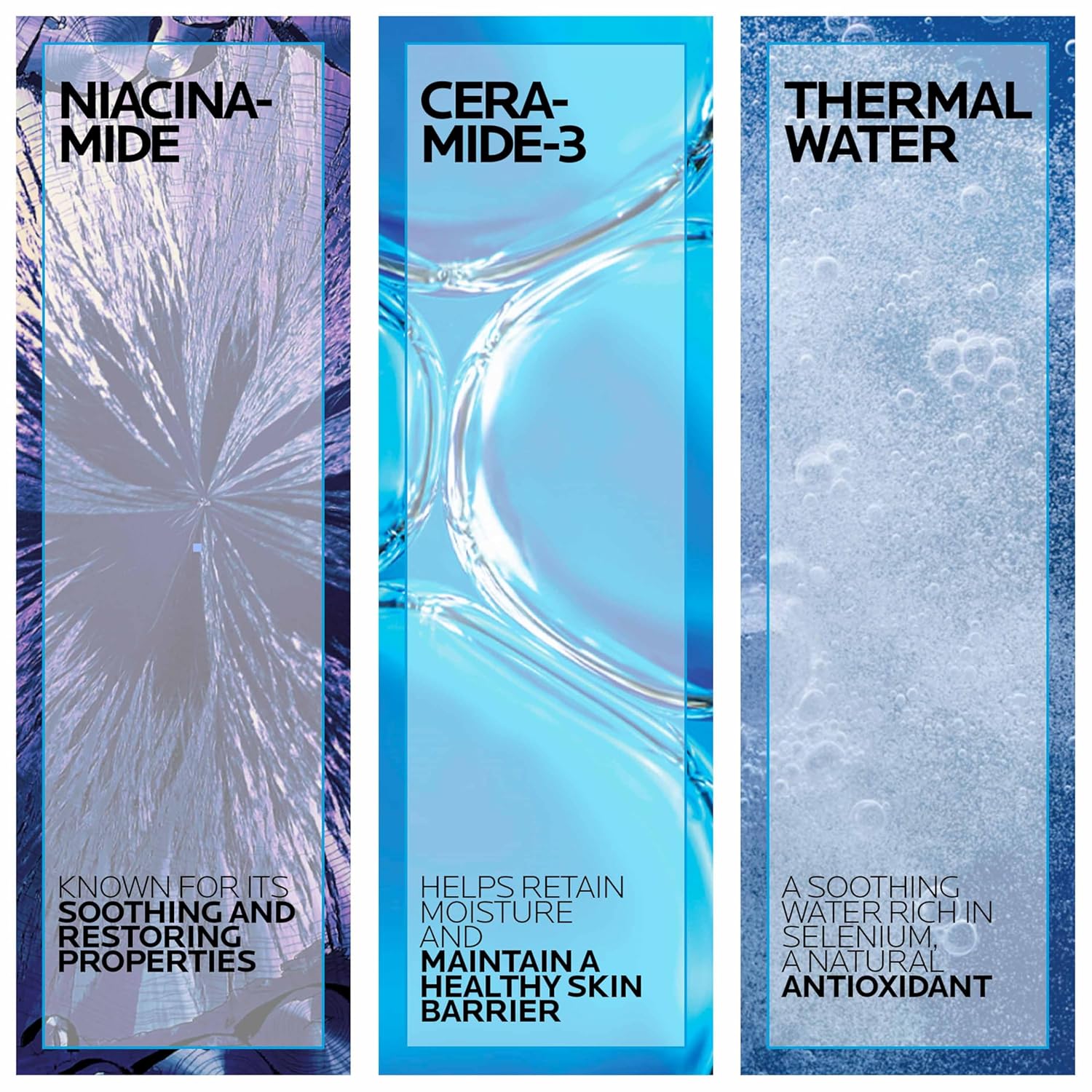
Your skin has a job: keep the good stuff in (moisture, lipids, structural proteins) and the bad stuff out (pollutants, bacteria, irritants). When that system is working, skin looks plump, calm, and even-toned. When it isn’t — after over-exfoliation, a harsh winter, a new retinol, or just genetics — you get tightness, flaking, redness, and that stinging feeling when you apply literally anything. The moisturizers built to fix that problem are called barrier-repair formulas, and they lean on three workhorses you’ll see on almost every label: ceramides (lipid molecules that act as the mortar between your skin cells), squalane (a lightweight plant-derived oil that mimics your skin’s natural sebum), and peptides (short chains of amino acids that signal your skin to produce more of its own structural proteins). If you’re already past “what is a moisturizer” and into “which formula is actually worth $80 versus $18,” this guide is built for you. We’ll break down what the science says each ingredient does, where the real formulation differences live, and how to make a clear-eyed call based on your skin’s current situation.
| EDITOR'S PICK[Augustinus Bader The Rich Cream](https://www.amazon.com/dp/B07RWLZZ1L?tag=greenflower20-20) | Mid-tierKiehl's Ultra Facial Cream | Budget pick[CeraVe Skin Renewing Night Cream](https://www.amazon.com/dp/B00SNPCSUY?tag=greenflower20-20) | |
|---|---|---|---|
| Key ingredients | — | 4.5% Squalane | Peptide Complex, Hyaluronic Acid, Ceramides |
| Formulation | Rich cream | Fast-absorbing cream | Night cream |
| Target concern | Wrinkle reduction, cellular renewal | Moisture barrier strengthening | Skin renewal, hydration |
| Size | — | — | 1.7 oz |
| Suitable for | Men and women | — | — |
| Price | $315.00 | $70.00 | $15.44 |
| See on Amazon → | See on Amazon → | See on Amazon → |
What the “Barrier” Actually Means — and Why It Breaks
The skin barrier is formally called the stratum corneum — the outermost layer of skin, made up of flattened dead cells (corneocytes) held together by a matrix of lipids: primarily ceramides (roughly 50% of that lipid mix), cholesterol (25%), and free fatty acids (25%). Think of it as a brick wall: cells are the bricks, lipid matrix is the mortar. When the lipid ratio is off, the wall leaks. Transepidermal water loss (TEWL) goes up, sensitizing agents get in more easily, and inflammation follows.
Paula’s Choice Skincare Education’s overview of ceramides notes that the barrier depletes with age (lipid production drops), with environmental exposure (UV, cold air, low humidity), and with overuse of exfoliating actives — AHAs, BHAs, retinoids. Byrdie’s round-up of ceramide moisturizers adds that even surfactant-heavy cleansers strip the lipid matrix with repeated use, which is one reason the “double cleanse every night” routine can backfire for dry or sensitized skin.
This matters for your buying decision because it tells you which product category to be shopping in. If your barrier is intact and you just want hydration, a humectant-first formula (hyaluronic acid, glycerin) may be sufficient. If your barrier is compromised — reactive to products it used to tolerate, visibly flaking, or slow to recover from exfoliation — you need lipid replacement, not just water delivery. That’s where ceramides, squalane, and peptides earn their keep.
Ceramides: The Mortar You’re Actually Replacing
Ceramides are not a single ingredient — they’re a family. You’ll see them listed as Ceramide NP, Ceramide AP, Ceramide EOP, Ceramide NS, and others, plus the INCI (ingredient label) names like Ceramide 1, 2, 3. The distinction matters: research published in cosmetic dermatology literature (summarized by Paula’s Choice’s ingredient encyclopedia) consistently shows that a blend of ceramide types — ideally paired with cholesterol and fatty acids in a ratio approximating the skin’s natural lipid profile — outperforms a single ceramide used in isolation.
What to look for on labels:
- At least 2–3 distinct ceramide types (NP + AP + EOP is a common clinically-studied combination)
- Cholesterol and/or phytosphingosine listed alongside ceramides (these support ceramide synthesis and integration)
- Position in the ingredient list: ceramides appearing in the top third of the list signal meaningful concentration; buried after the 20th ingredient is largely decorative
The Dermstore editorial on barrier-repair routines highlights that some of the most clinically-cited ceramide formulas — like CeraVe’s Moisturizing Cream (a consistent benchmark even in prestige conversations) and Dr. Jart+ Cicapair Ceramidin Cream — specifically use multi-ceramide blends with fatty acid support. At the prestige tier, Elizabeth Arden’s Ceramide Capsules and La Roche-Posay Cicaplast Baume B5+ draw repeated mention from dermatologist reviewers for their documented barrier-support efficacy, not just their marketing.
The real price-tier question: Are $80+ ceramide formulas doing more than a $20 one? Sometimes. The differentiation tends to come from delivery systems (encapsulated ceramides absorb more efficiently than unencapsulated), additional actives layered in (niacinamide, centella, fermented extracts), and texture engineering for specific skin types. When you’re evaluating a prestige ceramide moisturizer, the honest question is: does the formulation include a clinically-validated ceramide complex, or is “ceramide” one line item near the bottom of the list? New York Times Wirecutter’s moisturizer analysis notes that label placement and multi-ceramide blends are the two factors most consistently correlated with user-reported efficacy improvement in barrier-compromised skin.
Squalane: The Oil That Works Like Your Skin Already Made It
Squalane (note the “a” — this is the stable, shelf-safe hydrogenated form of squalene, which is what your sebaceous glands naturally produce) is one of the most well-tolerated cosmetic oils because it’s biomimetic: it closely resembles the lipids your skin already contains. Self’s explainer on squalane notes that it’s non-comedogenic for most skin types, spreads easily without the greasy film of heavier oils, and works as both an emollient (softening the surface) and an occlusive (reducing water loss from the surface).
The sourcing has shifted significantly over the past decade. Shark liver-derived squalane — historically common — has been largely replaced by olive-derived and sugarcane-derived versions as brands respond to sustainability scrutiny. For formulation purposes, the source doesn’t meaningfully affect skin performance; the molecular structure is identical. For brand positioning and consumer values alignment, it matters, and transparent brands will specify the origin.
Where squalane does its best work:
| Skin Situation | Squalane Role | Worth Paying For? |
|---|---|---|
| Oily / acne-prone | Emollient without heavy occlusion; balances without clogging | Yes — often better than heavier oils |
| Dry / dehydrated | Occlusive layer when paired with humectants | Yes — layer under or mix into moisturizer |
| Post-procedure / compromised | Non-irritating lipid replenishment | Yes — especially when barrier is reactive |
| Normal / combination, maintained | Maintenance emollient | Pure squalane oil at $15–$30 does the same job as $90 squalane serum |
The last row is the honest cost conversation: standalone squalane oils (Timeless, The Ordinary) deliver the same active as the squalane fraction in a $90 Tatcha or Summer Fridays formula. The prestige version adds texturizers, additional actives, and brand experience. Neither is wrong — it’s a trade-off between formula complexity and cost efficiency.
Peptides: The Slowest Burn With the Most Long-Term Upside
Peptides are where the science gets more nuanced and — to be transparent — where some of the marketing outpaces the evidence. Allure’s comprehensive explainer on skincare peptides identifies three main functional categories:
- Signal peptides (e.g., Matrixyl/palmitoyl pentapeptide-4, Argireline/acetyl hexapeptide-3): Communicate with fibroblasts to stimulate collagen, elastin, and hyaluronic acid production. Effect is cumulative — most studies run 8–12 weeks minimum.
- Carrier peptides (e.g., copper peptides like GHK-Cu): Deliver trace minerals to skin, supporting wound healing and enzyme activity. Copper peptides in particular have a growing evidence base for barrier repair and collagen support.
- Neurotransmitter-inhibiting peptides (e.g., Argireline): Marketed as topical botox alternatives; evidence for significant muscle-relaxing effect at cosmetic concentrations is limited and contested.
The practitioner-level nuance here is stability and penetration. Peptides are large molecules that don’t passively cross the skin barrier well. Effective peptide formulas use encapsulation, short-chain peptide engineering, or are formulated without ingredients (like certain surfactants or acids) that degrade them on contact. This is why a well-formulated peptide serum at $60–$120 from brands like The INKEY List, Medik8, or Paula’s Choice tends to outperform a $40 formula where the peptides are an afterthought — the delivery system is doing significant work.
The key trade-off to name explicitly: Ceramides repair the barrier now. Peptides build structural improvement over weeks and months. If you’re dealing with an acute barrier breakdown — redness, stinging, reactivity — ceramides and squalane are your short-term answer. Peptides are a long-game addition once the barrier is stabilized, not a first-response tool. Dermstore’s barrier-repair editorial makes exactly this sequencing point: lead with lipid restoration, layer in actives (including peptides) once the foundation is intact.
The Formulation Math: What You’re Actually Paying For
Let’s put some numbers on this.
By the numbers — barrier moisturizer cost ranges (2026 market):
- Drugstore multi-ceramide moisturizer (CeraVe, Vanicream): $14–$22 / 16 oz — ~$1.00–1.40/oz
- Mid-market ceramide + peptide formula (The INKEY List, Paula’s Choice): $20–$40 / 1.7–2 oz — ~$12–20/oz
- Prestige barrier moisturizer (Dr. Jart+, Tatcha, First Aid Beauty Ultra Repair): $35–$72 / 1.7–2 oz — ~$20–42/oz
- Luxury barrier moisturizer (La Prairie Skin Caviar, Augustinus Bader The Cream): $200–$450 / 1.7 oz — ~$118–265/oz
The honest analysis: the therapeutic ceramide + squalane + fatty acid work happens meaningfully across the first three tiers. The luxury tier is adding ingredient prestige (caviar extract, TFC8 technology), texture and sensory engineering, and brand positioning — none of which are nothing if the experience sustains your routine compliance, but they’re not delivering proportionally more barrier repair per dollar. Across aggregated reviews at Byrdie and Dermstore, users with compromised barriers report similar recovery timelines whether they’re using a well-formulated mid-market formula or a $300 luxury option — the gap shows up more in feel, scent, and packaging experience than in clinical outcome.
The If-Then Decision Framework
You know your skin’s current state better than any algorithm. Here’s how to map it:
If your barrier is acutely broken (stinging from products that used to be fine, visible flaking, redness): Go ceramide-first, multi-ceramide blend with cholesterol and fatty acids. CeraVe, La Roche-Posay Cicaplast, or Dr. Jart+ Cicapair at any price point. Hold peptides and actives until the reactive phase resolves — usually 2–4 weeks.
If your barrier is maintained but you want anti-aging support: Add a peptide-forward formula (signal peptides, copper peptides) layered over or replacing a lighter moisturizer. This is where the $60–$120 mid-prestige tier earns its cost — formulation quality and stability matter more when you’re after cumulative collagen signaling.
If you’re oily or acne-prone but barrier-compromised (common after over-exfoliation): Squalane is your emollient. Pair a light humectant (glycerin, hyaluronic acid) serum with a squalane oil or squalane-forward gel moisturizer. Skip the heavy occlusives.
If you’re building a long-term luxury routine and cost is secondary: Ceramide + peptide + squalane all in one formula from a brand with strong formulation transparency (Augustinus Bader’s TFC8 complex has credentialed science behind it; La Prairie’s caviar extract is more luxury positioning than barrier-specific evidence) makes sense if the sensory experience supports your daily compliance.
The barrier is infrastructure, not a trend. When it’s working, everything else in your routine — serums, SPF, actives — works better. That’s the case for prioritizing this category even before you reach for the next brightening serum or eye cream: fix the foundation, then build.