May 27, 2026 • Celeste Morrow • 9 min reading time • Prices verified June 4, 2026
Moisturizers With SPF: Where Broad-Spectrum Protection and Skincare Actives Actually Overlap
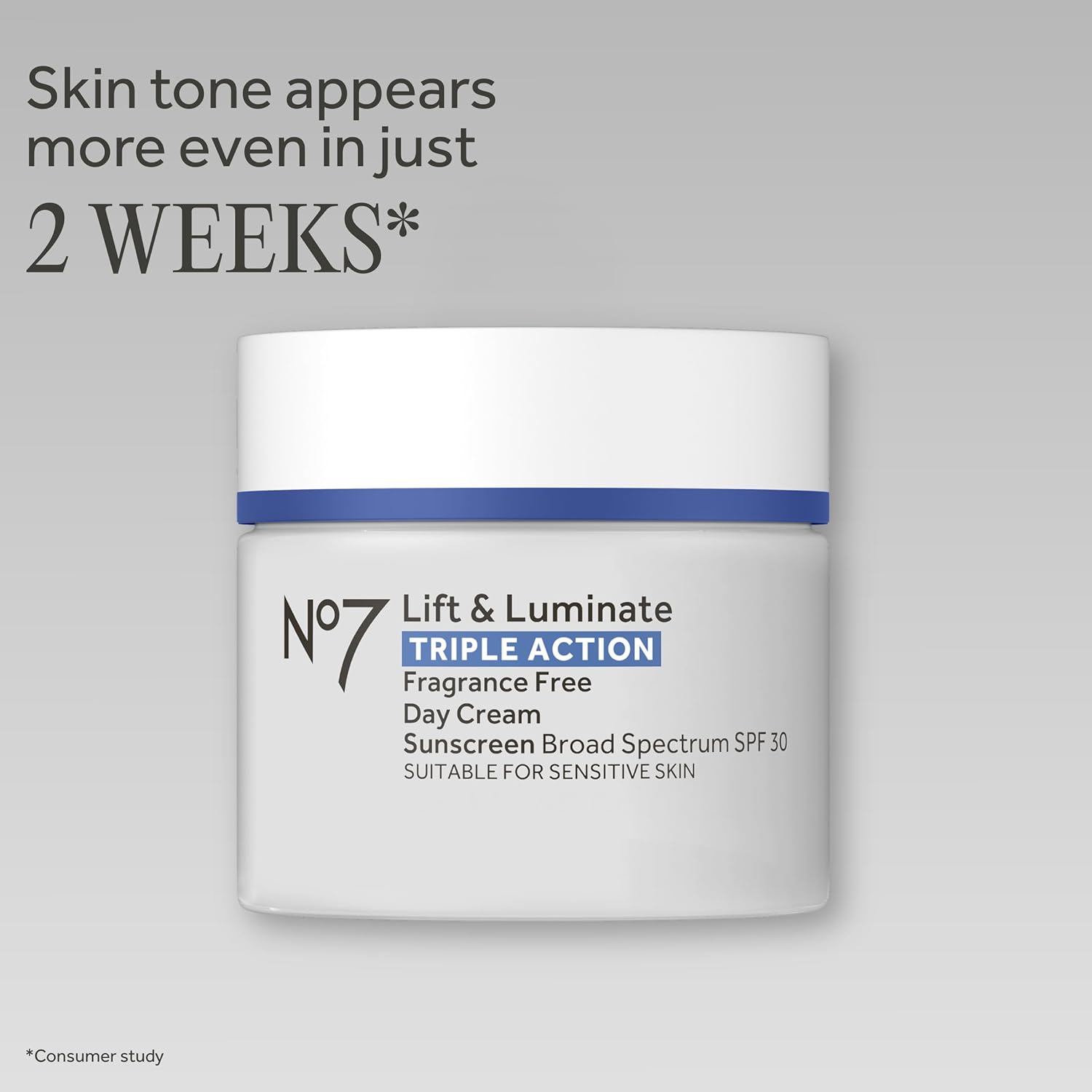
If you’ve ever squinted at a moisturizer label that promises SPF 30, niacinamide, hyaluronic acid, and a glass-skin finish — and wondered whether any of that is actually true at once — you’re asking exactly the right question. A moisturizer with SPF is simply a single product designed to hydrate your skin while also filtering ultraviolet (UV) radiation, the kind of light from the sun that accelerates aging and raises skin-cancer risk. “Broad-spectrum” on the label means the formula blocks both UVA rays (the ones that drive long-term aging and pigmentation) and UVB rays (the primary cause of sunburn). The appeal is obvious: one fewer step, one fewer product, one fewer chance to forget sun protection entirely. But the tradeoff space is real, and at $40–$180 a bottle, you want to know what you’re actually buying before you commit. This guide breaks down how these hybrid products work, where the formulation compromises tend to hide, and which category of formula makes sense for your specific routine priorities.
What “Broad-Spectrum SPF” Actually Requires Inside a Moisturizer
The FDA regulates sunscreen as an over-the-counter drug in the United States, which means every broad-spectrum claim on a moisturizer label has to clear a critical ratio test: the UVA protection has to be proportional to the UVB protection, verified by the critical wavelength method. The American Academy of Dermatology’s Sunscreen FAQs document confirms that SPF 30 blocks roughly 97% of UVB rays, SPF 50 blocks about 98%, and that the jump to SPF 100 yields diminishing returns in real-world use.
Where things get complicated for moisturizer-SPF hybrids is the filter type:
Mineral filters (zinc oxide and titanium dioxide) physically scatter and reflect UV light. They sit on top of the skin rather than being absorbed, which is why dermatologists often recommend them for sensitive or reactive skin. The trade-off: at concentrations high enough to deliver legitimate SPF 30+, they can leave a white cast, particularly on deeper skin tones, and they tend to create a heavier, more occlusive skin feel that doesn’t always play nicely with the lightweight textures luxury moisturizer buyers expect.
Chemical (or “organic”) filters — avobenzone, octinoxate, octisalate, homosalate, and their EU-approved cousins like Tinosorb S and Mexoryl SX — absorb UV energy and convert it to heat. They’re easier to formulate into elegant textures, which is why most prestige SPF moisturizers reach for them. The EWG’s Guide to Sunscreens 2025 flags several chemical filters for potential hormonal-disruption concerns, though the evidence is still contested at real-world exposure levels. Paula’s Choice’s analysis of sunscreen actives notes that avobenzone (the workhorse UVA filter in U.S. chemical sunscreens) is inherently unstable and requires stabilizing agents to hold its protection over a full day.
The hybrid “mineral-chemical” blends you’ll find in many prestige SPF moisturizers — La Roche-Posay Anthelios Tinted Mineral SPF 50, for instance, or Supergoop! Mineral Sheerscreen — are trying to thread this needle: use enough mineral filter to lean into the safety narrative, enough chemical filter to keep the texture wearable.
The Active-Ingredient Overlap Problem (And When It’s Not a Problem)
Here’s the practitioner-level decision most guides skip over: certain skincare actives and certain sunscreen filters actively interfere with each other, and the conflict matters most when you’re paying $90+ for a formula that promises to do everything.
Vitamin C (L-ascorbic acid) and chemical filters is the most documented pairing to watch. L-ascorbic acid is pH-sensitive — it works optimally at pH 3.5 or below. Most chemical sunscreen formulas are buffered to a skin-neutral pH (around 5–6) to minimize irritation. Combining them in a single moisturizer-SPF product means one of two things: the vitamin C is at a pH that compromises its efficacy, or the formula is acidic enough to cause irritation. Reviewers at Byrdie’s moisturizers-with-SPF roundup consistently note that the few vitamin C + SPF combos that work tend to use more stable vitamin C derivatives — like THD ascorbate or ascorbyl glucoside — rather than pure L-ascorbic acid. If your primary goal is antioxidant delivery with SPF, a vitamin C serum underneath a separate sunscreen is still the more reliable sequence.
Niacinamide (vitamin B3) and SPF is a much friendlier pairing. Niacinamide is pH-flexible, non-photosensitizing, and addresses many of the same concerns (uneven tone, barrier function, pore appearance) that make people reach for a tinted SPF moisturizer in the first place. Allure’s roundup of sunscreen moisturizers names several niacinamide-forward SPF formulas as top picks precisely because the combination is technically coherent, not just marketing-coherent.
Retinol (and retinoids) + SPF in one product is where the logic breaks down almost entirely. Retinol degrades in UV light, which is why it’s a nighttime ingredient. A daytime retinol-SPF hybrid is either protecting the retinol from light (meaning it’s not doing much) or exposing it to light (meaning it degrades on contact). The Self guide to layering skincare with sunscreen advises keeping retinoids strictly in your PM routine and treating any “retinol SPF” marketing claim with appropriate skepticism.
Peptides and mineral SPF pair well in principle — peptides are generally stable, non-photosensitizing, and don’t compete with mineral filter chemistry. This is why several of the most defensible prestige moisturizer-SPF combos (Augustinus Bader’s The Cream with Protect SPF 30, Drunk Elephant Umbra Tinte Physical Daily Defense SPF 30) center peptides and antioxidants rather than actives with pH or stability constraints.
By the Numbers: Price vs. SPF Delivery in the Prestige Tier
| Price Range | Filter Type Typical | Key Active Trade-off | Best-Use Case |
|---|---|---|---|
| $20–$45 (drugstore prestige) | Chemical blend | Minimal actives, reliable SPF delivery | Everyday baseline SPF moisturizer |
| $45–$90 (mid-prestige) | Hybrid or chemical | Niacinamide, HA — low conflict risk | Routine simplifiers, oily-to-combo skin |
| $90–$180 (luxury) | Hybrid or 100% mineral | Peptides, antioxidants — high formula elegance | Sensitive skin, premium texture seekers |
| $180+ (ultra-luxury) | Hybrid, tinted mineral | Brand equity + actives — verify ingredient deck | Investment skincare that doubles as primer |
The cost-per-use math at the luxury tier often favors the hybrid: if a $140 SPF moisturizer replaces both a $90 moisturizer and a $50 SPF, you’re ahead — if the active delivery is genuinely intact. That “if” is where the ingredient-deck cross-reference earns its keep.
How to Actually Choose: The Decision Framework
The core decision isn’t “moisturizer with SPF vs. separate products.” It’s: what are you optimizing for, and which compromises are you willing to accept?
If your skin is oily or combination and you want to simplify: A chemical-filter SPF moisturizer with niacinamide in the 3–5% range is your most defensible single-step daytime product. The niacinamide addresses pore appearance and sebum regulation; the chemical filter keeps the texture light. Reviewers consistently rank Cetaphil’s Moisturizing Lotion with SPF 50 and EltaMD UV Clear Broad-Spectrum SPF 46 (the latter contains niacinamide) as high-delivery options at accessible price points. EltaMD UV Clear is widely cited in Byrdie’s and Allure’s roundups as the dermatologist-recommended benchmark in this category.
If your skin is dry, sensitive, or reactive: A mineral-forward hybrid with peptides and ceramides is worth the premium texture investment. Mineral filters tend to be less irritating to compromised barriers, and peptides don’t require a narrow pH window to function. La Roche-Posay’s Anthelios Melt-In Milk SPF 100 and Isdin Eryfotona Actinica (a 100% mineral formula with DNA-repair enzymes) are frequently cited by dermatologists as high-efficacy options for reactive skin.
If you’re running a full active routine (retinol at night, vitamin C serum in the morning): The SPF moisturizer’s job here is mostly delivery vehicle for SPF — not active delivery. Choose on texture, finish, and filter reliability, not on whether it also contains vitamin C. Supergoop! Unseen Sunscreen SPF 40 and Drunk Elephant Umbra Tinte Physical Daily Defense SPF 30 earn consistent praise from prestige-skincare communities for finish quality and compatibility as a final step over actives — they’re not claiming to be your antioxidant layer.
If you want a tinted SPF moisturizer that genuinely replaces foundation at the $60–$120 price point: This is a smaller, more carefully curated category. Charlotte Tilbury’s Flawless Filter Primer + Serum SPF 50 and Nars Light Reflecting Primer SPF 50 have both attracted sustained attention from Into the Gloss readers for delivering real color-correction and buildable coverage alongside legitimate broad-spectrum ratings. The EWG’s guide cautions that tinted formulas sometimes reduce SPF delivery if not applied at the same volume as an untinted sunscreen — roughly a quarter-teaspoon for the face — a volume most users underestimate with a premium-priced hybrid.
If you’re a pro or pro-adjacent user prepping clients: Separate products give you more control over both the active delivery and the SPF delivery, and the layering sequence is replicable. The SPF moisturizer as a combined product is primarily a consumer-convenience form factor. For client-facing work where both antioxidant efficacy and documented photoprotection matter, the professional consensus — reflected in resources from the American Academy of Dermatology’s clinical guidance — still points to vitamin C serum → SPF on top as the gold-standard daytime sequence.
The Trade-off Summary
The clearest “if X, then Y” logic for this category:
- If SPF compliance is your biggest problem (you skip it because the routine is too long), a moisturizer-SPF hybrid is the right call even if it’s a modest active compromise. The best sunscreen is the one you actually apply.
- If you’re targeting a specific skin concern with a clinically active ingredient (L-ascorbic acid, retinol, prescription retinoids), the single-product solution is likely to disappoint one of the two jobs. Split the steps.
- If your skin is sensitive and your barrier is compromised, mineral-only or mineral-dominant formulas earn their price premium in reduced irritation risk — the EWG and Paula’s Choice both document the irritation patterns of high-concentration chemical filters on reactive skin.
- If you’re deciding between a $90 luxury SPF moisturizer and a $45 mid-tier version, look at the filter type and the active ingredient list before the brand name. A well-formulated $45 niacinamide + chemical SPF moisturizer outperforms an elegantly packaged $90 formula built around unstable actives that don’t survive the day on your face.
The prestige SPF moisturizer category has genuinely advanced in the last three to four years — the textures are better, the mineral filters are less chalky, and the active pairings are more thoughtfully chosen than they were a decade ago. But the marketing has advanced faster than the formulation in some cases. Reading the ingredient deck before the claims panel is still the single highest-leverage move you can make in this category.